Tips for pruning
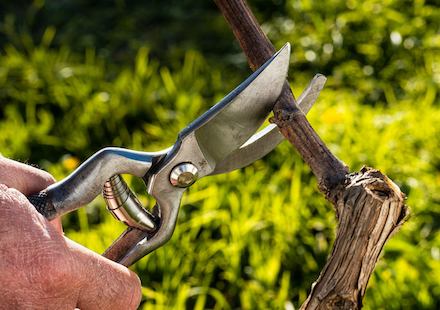
As we move through winter, our gardens and pot plants start looking a little bedraggled and neglected, and it’s tempting to tidy them up with a little pruning here or there.
But is winter the best time to prune plants? What’s the right way to prune? Will the plant die if you cut too much? Most of us have so many questions!
Pruning is a way to improve the health, aesthetics and production of your plants, but can also be used to create a more open plant and even let light reach lower plants.
The best time of year to prune will depend on the desired results, along with the plant type and its condition at the time. Diseased and damaged plants should always be treated immediately, regardless of the time of year.
‘Deadheading’ spent flowers can be done whenever you see them, as it will deter the plant from going to seed and prolong the flowering season. You can simply snip the heads off, but for stronger growth it’s best if you cut just above the next set of healthy buds or foliage.
Shrubs that flower in spring should be left until they have bloomed before pruning; however, shrubs that flower in summer can be pruned towards the end of winter through early spring, before the flower buds develop.
The beginning of spring is the perfect time to prune woody landscape plants, as the lack of leaves will give a clear view of the plant’s structure (so you can easily see which branches should come off) and any pruning wounds are likely to heal quickly during the spring growth.
Many indoor plants also respond well to pruning, any time of the year. Ficus and Ivy will grow stronger and more densely after being trimmed, while flowering plants such as the Peace Lily appreciate regular dead-heading.
Mostly, the aim of pruning is to keep the plant to a desired size, to fit in with the rest of the garden and produce a good floral display. A safe guide is to prune the stem back to just above a healthy node, to encourage further growth.
Be sure to keep tools sharp, as blunt cutting blades will leave ragged edges on the branch, making the plant more susceptible to disease. Likewise, it is important to disinfect shears and secateurs regularly by scrubbing the blades with methylated spirits, especially after cutting plants that are diseased, or displaying pests, mould or other undesirable conditions.
Always check weather conditions before you set to work, as you’ll get best results from your pruning when branches, twigs and limbs are dry.