Housing infrastructure spend welcomed
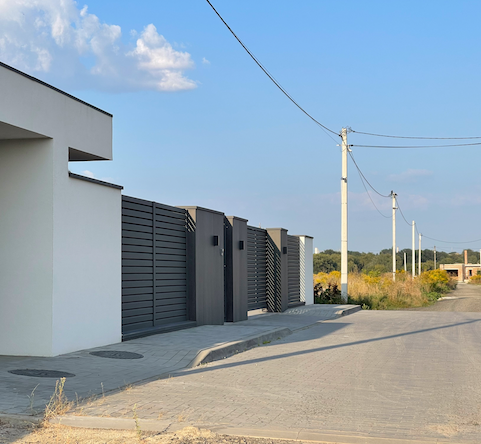
As always, the Federal Government’s budget this week received disparate responses, but some measures have been welcomed by housing industry bodies.
The Urban Development Institute of Australia (UDIA) National applauded the announcement of a $2 billion direct grant program for enabling infrastructure, describing it as a critical step toward unlocking desperately needed housing supply across Australia.
The program is expected to support 65,000 new homes. UDIA has consistently called on governments nationwide to invest in enabling infrastructure to support new housing development and tackle the ongoing housing crisis.
“This is exactly what we need to deliver more housing supply, an investment which will support the delivery of tens of thousands of new homes”, UDIA National President Oscar Stanley said.
The new commitment brings the Government’s total investment in enabling infrastructure to $6.3 billion, representing a significant contribution toward the estimated $16 billion in enabling infrastructure required across the country.
“There is always a need for more enabling infrastructure funding, because it is a fundamental reality that not a single house can be built until enabling infrastructure is in place”, Stanley added.
“Decisive initiatives like this — and we hope there are more of them to come — are the key to getting housing supply back on track. It is achievable.”
UDIA National said the investment recognises the essential role infrastructure plays in accelerating housing delivery, including roads, water, sewerage, power and community services that are necessary before homes can be constructed.
“Continued collaboration between all levels of government and industry will be essential to meeting Australia’s long-term housing needs and improving affordability for Australians”, Stanley concluded.
HIA Managing Director Jocelyn Martin agrees.
“One of the key challenges facing the residential construction industry is the cost of enabling infrastructure, which invariably lands on the new home buyer”, Martin said, adding that a substantial number of housing projects across Australia are near ready for construction, but stalled due to a lack of funding for enabling (‘last mile’) infrastructure.
“In many growth areas, state and local governments face increasing difficulty financing the trunk infrastructure required to unlock new housing supply.
“The cost of infrastructure provision, and the mechanisms used to recover those costs, have a direct influence on land prices, development feasibility and housing affordability.
“Poorly sequenced or excessively front-loaded charges raise project costs and delay delivery, whereas timely and efficiently financed infrastructure can expand supply and moderate price pressures.
“Timely provision of enabling infrastructure is critical to making projects shovel ready. It is not traditionally an Australian government responsibility, so this is an important commitment that will help accelerate housing delivery”, Martin concluded.