What’s the best smoke alarm?
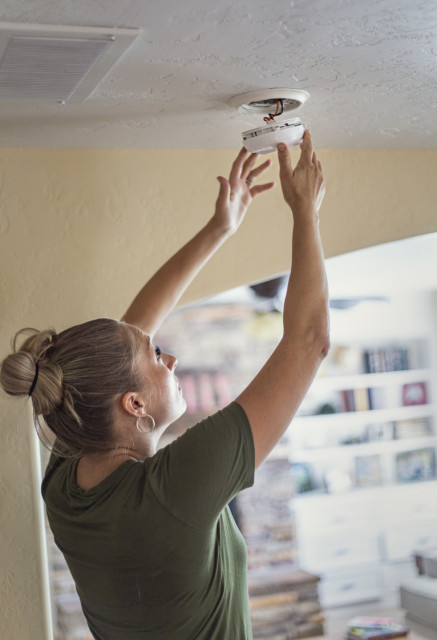
This weekend, homeowners in most states will be making a note to change clocks back from daylight saving, an action that has become synonymous with changing batteries in smoke alarms.
Australian homes are required, by law, to have at least one working smoke alarm installed on each level of the building; but how do you know which alarm is best for your situation?
As a starting point, be sure the ones you’re buying have been certified as meeting Australian requirements and carry the Standards Australia logo.
There are two main types of alarms available for regular situations: ionisation and photoelectric.
1. Ionisation alarms are best at detecting fast-flaming fires that don't emit much visible smoke. They are, however, prone to nuisance alarms from cooking (toasters, open grillers, birthday cake candles and the like) and should not be installed near kitchens.
2. Photoelectric alarms are better at detecting the visible smoke produced by smouldering fires. This is important as most residential fires tend to produce large amounts of visible smoke.
Photoelectric smoke alarms should be installed in sleeping areas and hallways. Dust or insects can cause false alarms, so the units need to be cleaned occasionally.
Conventional smoke alarms have audible alarms which alert people to the presence of smoke and provide precious extra seconds to escape from the home. They’re effective for those who can hear them, but alternative types of signals must be considered for people who are deaf or hearing impaired.
There are a number of models of smoke alarms on the market for the hearing or sight impaired. One model consists of a conventional smoke alarm with an additional bright white xenon strobe light. Placed above a bed, the flashing strobe will awaken and alert hearing-impaired and deaf people to smoke and fire. Another model consists of vibrating pads which are placed under the pillow and vibrate when the smoke alarm is activated.
Some alarms are designed so that they can be interconnected with other conventional alarms in different locations within the home. If one of the alarms senses smoke, all alarms will sound, the strobe will flash and the vibrating pad will operate.
Keep in mind that smoke alarms are intended to detect smoke before it reaches the bedrooms. Alarms should be located in the path of travel that people will most likely take to evacuate the building such as hallways and near the base of stairs leading to second-storey bedrooms.
Whether or not you change your clocks back on Sunday 5 April, take a few minutes to test the smoke alarms at home and change the batteries if necessary.