Is your rental property pet-friendly?
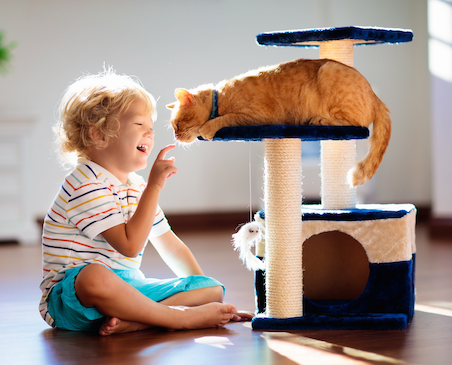
Having a pet increases wellbeing and is a good way to get to know the neighbours, studies have found. Yet despite recent changes in legislation, pet-friendly rentals are rare as hens’ teeth. Should you allow tenants to have pets in your investment property? Let’s weigh the benefits.
Just like in the new ABC series Dog Park, many people who own dogs say they are more likely to meet people in the neighbourhood, and feel that they can call on them in times of need.
It’s not just walking the dog, though. Outdoor pets such as hens mean having eggs to share, while chickens, rabbits or guinea pigs provide a talking point – especially if the owners need someone to look after them while they’re away.
As a property investor and landlord, however, your main priorities are likely to be attracting good tenants and having a property that’s kept in good condition. Are these incompatible with allowing pets?
On the contrary. According to Petcare Information and Advisory Service (PIAS), pet-friendly properties rent faster and the tenants tend to stay longer. Throwing open the doors to pet owners can increase your chances of finding tenants, and even being able to ask a higher rental as you are servicing a demand. In a tight market, some potential tenants are so keen to find pet-friendly homes that they’ve been known to offer above the asking price.
There is also a good chance that pet owners are likely to be more settled and stay longer because they have their pet with them, meaning less frequent turnover and reduced rental costs for the landlord.
Do dogs and cats make a mess and cause damage? Rarely, in fact. Most tenants who are allowed to keep their pet at home will ensure that it is house-trained and has its own bedding, toys, scratching posts or litter trays. Any concerns on the part of the landlord can be diminished by simply inserting special conditions into the lease, such as shampooing and deodorising the carpets and replacing any damaged fittings.
Here are some steps you can take to ensure you have a healthy, happy relationship with your pet tenants:
• Ask for references (from previous agents, vets, obedience school, neighbours);
• Meet the animal, if possible – this will immediately give you an idea of how well it behaves;
• Add special conditions to the leasing agreement, covering any and all damages that might be caused to the property by the pet.