Lizards in the garden
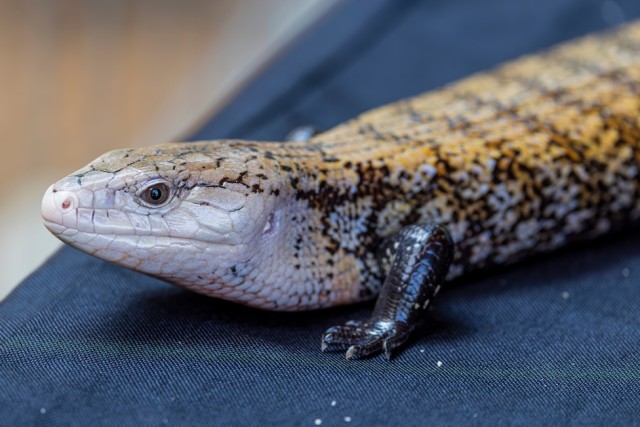
Blue tongues, skinks and other lizards are not just delightful to have visit our backyards, they are also really helpful. They rid the garden of pest insects, caterpillars and their larvae, and even take care of pesky slugs and snails.
So, what can you do to encourage them to live at your place? As this is Bugs in my Backyard Week, here are some suggestions from Backyard Buddies, an initiative of the Foundation for National Parks and Wildlife.
- Plant local native grasses and ground covers. A thick ground cover gives lizards plenty of good places to hide.
- Leave leaf litter around your garden for small insects and their eggs, while mulching provides good hiding places for lizards and their prey.
- Mix areas of shade and heavy vegetation with areas of sunlight and sparse plantings, because lizards love the variety.
- Include rocks, bark and logs in your garden for lizards to sun themselves on, or hide in and under. Place rocks and logs near dense bushes or shelter so the lizard can quickly hide if a predator comes by.
- Provide a shallow bowl of water in a protected spot, and keep the water supply regular and fresh, and keep the bowl clean. Alternatively, build a pond, which will also encourage insects and frogs. Include some sticks or rocks so any lizard that falls in can get out again.
- Compost food scraps. Not only will this save waste from going into landfill, it will also attract insects and snails for lizards to eat.
- Avoid using chemicals, pesticides, non-organic fertilisers or snail pellets in your garden. If a lizard eats a poisoned bug or snail, it can become sick and die. Lizards also won't hang around if there aren't any bugs or snails to eat in your garden.
- Some good plants for lizards include Callistemon, Grevilleas, Native Violet and grasses such as Wallaby Grass, Kangaroo Grass, Weeping Grass.
Visit backyardbuddies.net.au to find out more, and learn about native animals you're likely to see in your backyard. The website also offers handy tips on how to make your backyard a friendlier, safer and more inviting space for native animals.