Aussies to have plug-in solar
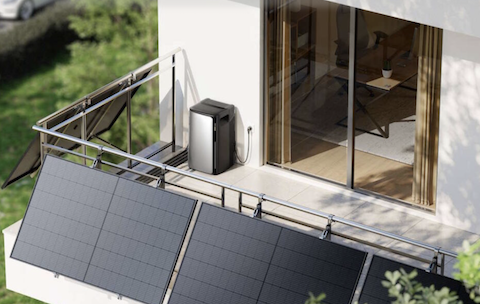
A few weeks ago we wrote an article about plug-in solar panels being adopted in the UK, and now Australian renters and apartment dwellers will soon be able to access the tech.
Following a meeting with Australia’s Energy Ministers, Minister for Climate Change and Energy Chris Bowen announced on Friday that they have agreed to work to make plug-in solar and batteries available to all Australians, exploring ‘pathways to support their safe deployment’.
“This is consumer energy resources for renters and apartment dwellers that gives them the opportunity to use solar panels and batteries that they can put into their rental property, and then take with them when they leave, at no cost to the landlord”, Bowen added.
“Now, we’ve got a lot of work to do on safety and on standards. We’ll be working with Standards Australia and with all the state safety regulators. States will need to review their Strata laws.
“We have the world leading rooftop solar, we now have the world leading home batteries. But we want to make sure that renters and apartment dwellers are an important part of that journey, and it has been difficult up until now for all renters to participate.”
When asked if the government is considering or open to any subsidies or rebates for renters who are using that plug-in solar, Bowen said that if they're covered by the safety rules, they'd be automatically covered by the government's existing rebates, the Cheaper Home Battery policy and the Small-scale Renewable Energy Scheme which supports solar panels.
What is plug in solar?
According to Solar Citizens, plug-in solar refers to small solar units that can literally be plugged into power points to help offset the cost of fridges, TVs and other appliances.
They can be attached to apartment balconies or installed in backyards and can be taken by renters when they move to other residences. They do not require electricians to install the appliances.
Plug-in solar systems provide around 600-800 watts of power and would likely cost between $650 - 1300.
The kits include a micro-inverter, so they can be plugged into an ordinary power socket and send electricity to power appliances that are running during the day. This could save $300 to $400 a year off the household energy bill at current tariffs. Image: Ingrid Balabanova