The warnings have been there for weeks, but it was still not good news for borrowers and homeowners when the Reserve Bank of Australia (RBA) raised the cash rate again on Tuesday.
In the fourth rise this year, the official rate has now reached 4.6 per cent, the highest level since November 2011. RBA Governor Michele Bullock laid much of the blame on the rolling impacts of the Middle East conflict and higher fuel prices, for stubbornly high inflation.

Australia's population grew by 1.4 per cent in cent in the 12 months to March 2026, according to the latest figures released this week by the Australian Bureau of Statistics (ABS).
Head of Population Statistics Bjorn Jarvis noted that our population reached 27.9 million people at 31 March 2026, or 392,700 more than the same time in 2025.
Read more
Home insurers are failing to provide explanations for premium increases, new research has found.
Releasing a new report into home insurance premiums, consumer advocate group Choice said this week that 75 per cent of renewal notices gave no individualised reasons for price hike.
Read more

Has your home loan been on ice, unchanged for as long as you can remember? With interest rates rising, some lenders are nevertheless offering some red-hot deals right now that could melt years off your mortgage, so this could be the perfect time to crack it open and see if it still matches your current lifestyle and financial circumstances.
Read more
It’s tough staying up there with the cool kids, as Sydney and Melbourne found out this month when Timeout magazine announced its top 40 list of the coolest neighbourhoods in the world for 2026.
Brisbane’s New Farm came in at #29 this year, followed by North Hobart at #32. South Melbourne just scraped into the Top 40, at 39th place, while Sydney did not appear in the list at all despite coming in at #16 last year.
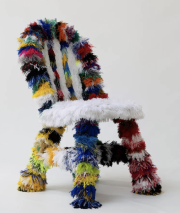
The frayed textile edges that accumulate as a by-product of commercial weaving processes have been given new life in a colourful collection of fringed furniture by Rotterdam-based designer Maori Kimura.
Called Fringe Friends, Kimura wraps damaged or worn-out pieces of furniture in the multicoloured fabric edges to create ‘an eco-friendly invention for decorating furniture, railings and objects’.